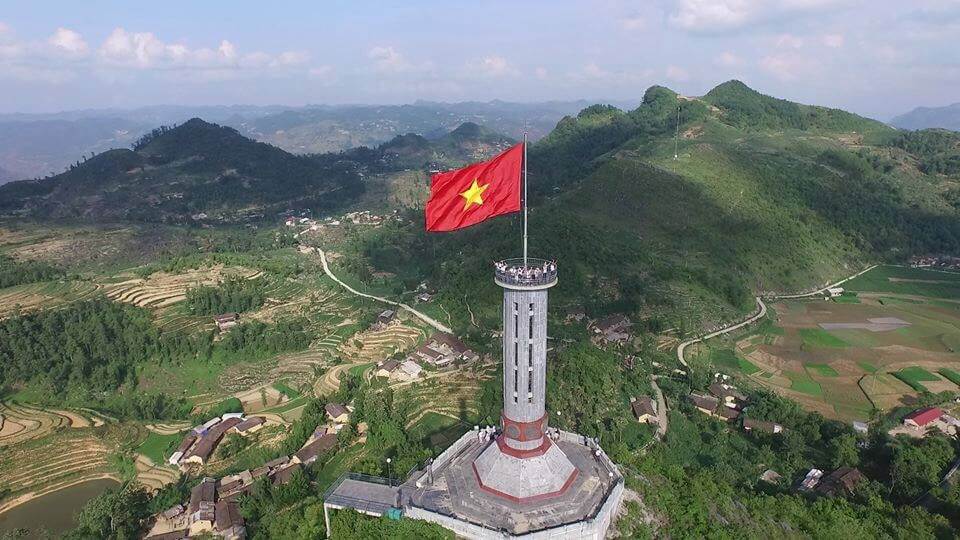
Is Vietnam Still a Communist Country? What Travelers Need to Know in 2026
In the climate of the Vietnamese Reunification Day, April 30th, Vietnamese citizens will celebrate this day and recollect memories of the heroic past. Not only Vietnam is famous for its beautiful landscape, hospitable locals, and delicious food, but this country also attracts foreigners who are historical fans. Is Vietnam still Communist?
Table of Contents
Is Vietnam still a Communist Country?
Technically, Vietnam until this day is still a communist country the one-party rule, that is the Communist Party of Vietnam, under Marxist-Leninist governance. Together with China, Laos, Cuba, and, to a large extent, North Korea, Vietnam is the remaining communist country today.
However, Vietnam, like other communist countries, has to adopt some capitalist principles to survive. Vietnam, as a matter of fact, since implementing a series of free-market reforms in the mid-1980s, has now become one of the world’s fastest-growing economies and has set its goals on becoming a modern and industrialized nation by 2020.
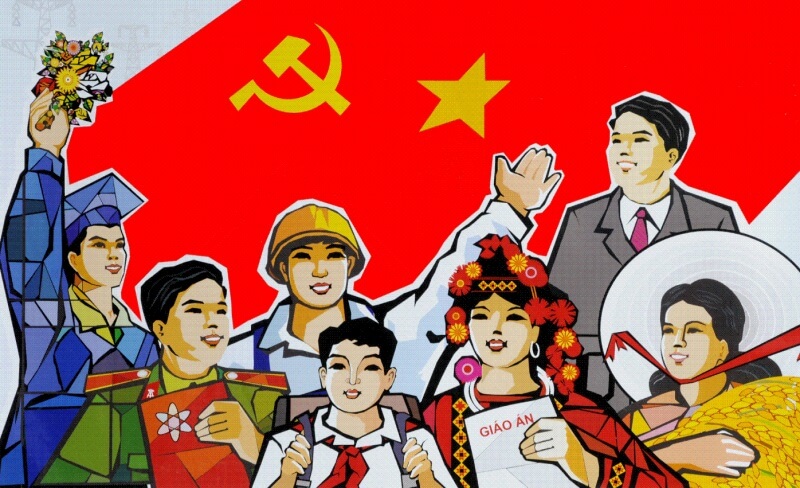
What caused Communism in Vietnam?
Vietnam is a small country but in the past, it had to suffer the Juggernaut of war. In 1930, Ho Chi Minh, under the name of Nguyen Ai Quoc, went to Hong Kong to unite all the 3 parties into the Vietnamese Communist Party, which was later renamed to Indochinese Communist Party. On May 19, 1941, he formed the League for the Independence of Vietnam (abbreviated to Viet Minh Front) at Pac Bo. The Viet Minh was dominated by the Communist Party although it was supposed to be an umbrella group for all parties fighting for Vietnam’s independence.
In a power struggle in 1945, the Viet Minh purged and killed members of rival groups, such as the leader of the Constitutional Party, the head of the Party for Independence, some Trotskyists and Ngo Dinh Diem’s brother, Ngo Dinh Khoi. In July 1946, hundreds of political opponents, notable members of the Nationalist Party of Greater Vietnam, were jailed or exiled after a failed attempt to raise a coup against the Viet Minh Government. In the same year, when Ho Chi Minh traveled abroad, his subordinates jailed around 2,500 non-communist nationalists and forced 6,000 others to flee. All rival political parties were hereafter banned and local governments were purged to minimize opposition later on. The communists eventually suppressed all non-communist parties. North Vietnam became a single-party state under communist rule since then.
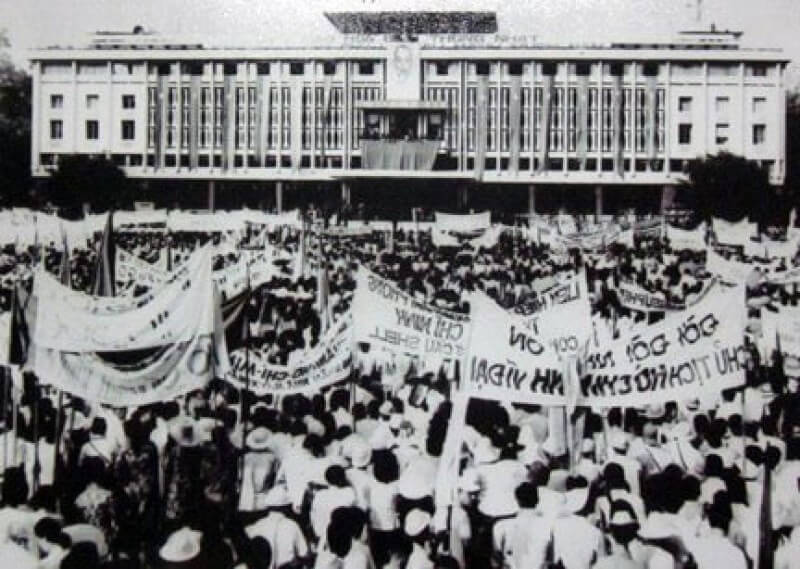
Following three decades of bitter wars, Vietnam was reunified under the communist rule after the North communist forces seized Saigon on April 30, 1975. Vietnam officially became a communist country on July 2, 1976.
April 30 became an anniversary that marked by several festivals around the date and it is called Reunification Day, Victory Day or Liberation Day or the official name of Day of liberating the South for national reunification. This public holiday in Vietnam marks the event when North Vietnamese and Việt Cộng forces captured Saigon(now called Ho Chi Minh City) on April 30, 1975. This signaled the end of the Vietnam War, known in Vietnamese as “Resistance War Against American invasion”. It was the start of the transition period toward reunification, which occurred in the national election for national reunification on July 2, 1976, when the Provisional Revolutionary Government of the Republic of South Vietnam and the Democratic Republic of Vietnam merged, forming the modern-day Socialist Republic of Vietnam.
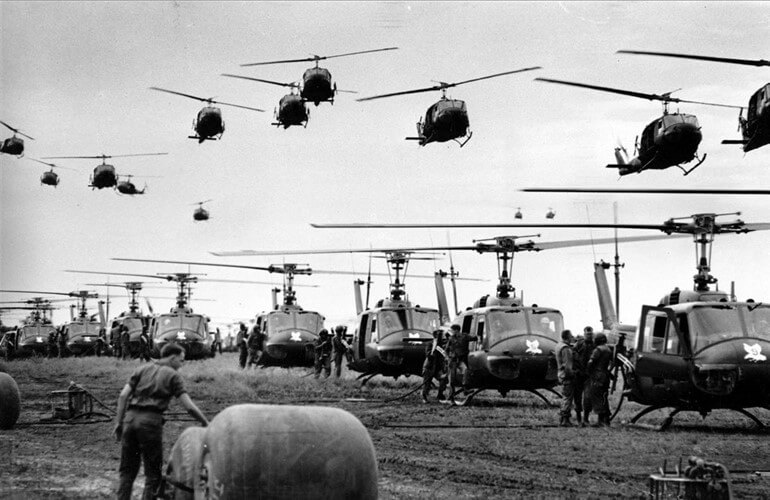
Yet even as the now-united country trumpets the North’s victory over American invaders during a devastating conflict that left more than 3 million Vietnamese and nearly 60,000 American troops dead, bitter rifts over the civil war remain deep and unresolved. 44 years later from Reunification Day, Vietnam still deeply divided over the war.
What happened after April 30th, 1975?
From 1976 to 1986
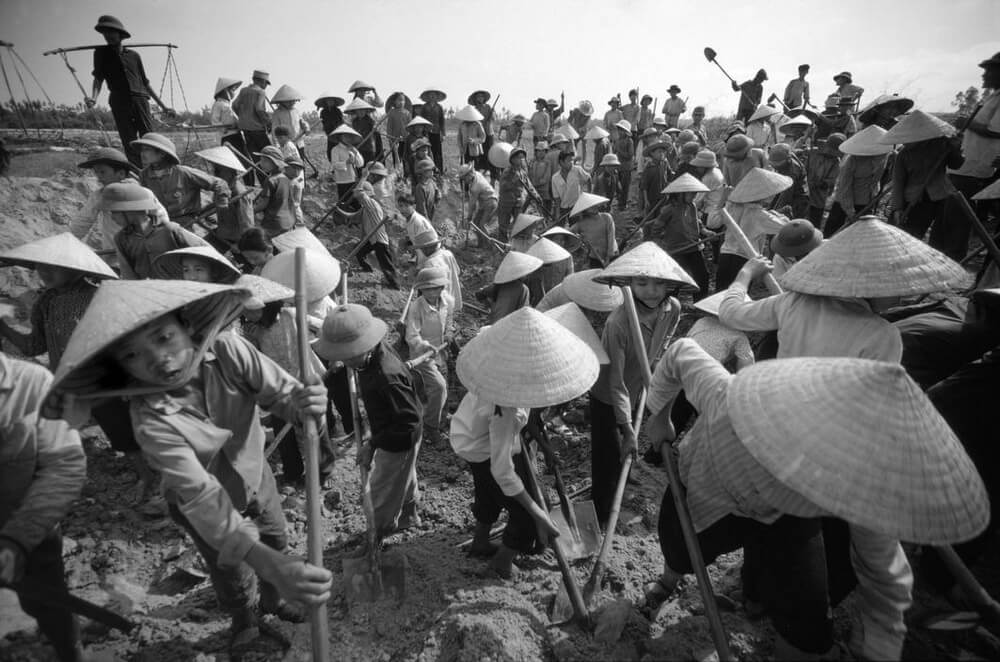
For the first ten years as a communist country, Vietnam stayed true to the principles of Marxist-Leninist. Both its government and economy were strictly central-controlled. People were put to work under government programs after massive campaigns of collectivization of farms and factories were conducted. Wars’ destruction, inefficient programs, and policies, as well as political isolation, pushed Vietnam into an economic crisis. A decade after unification Vietnam still remained impoverished.
From 1986 to the present
A historic shift came in 1986 when Vietnamese government introduced a series of economic and political reforms best known as “Doi Moi” (Renovation) in an attempt to revive the economy that had been hindered by three decades of war and another decade of economic crisis. Renovation policies shifted the planned centralized economy to the so-called “socialist-oriented market economy” – a multi-sectoral market economy based on state-owned industry. Private enterprise, decontrol, and foreign investment were now highly encouraged.
Thanks to Renovation, Vietnam has seen rapid economic growth in various fields from agriculture, construction to exports and investment with average annual GDP growth of roughly 7% up to the global financial crisis in 2008 and remained more than 5% since 2010, making Vietnam one of the world’s fastest-growing economies. The economic reforms, together with rapid and significant growth, earned Vietnam a place in the World Trade Organization in January 2007, after 12 years of negotiations. Before that, Vietnam has also established diplomatic relations with all countries by 2000.
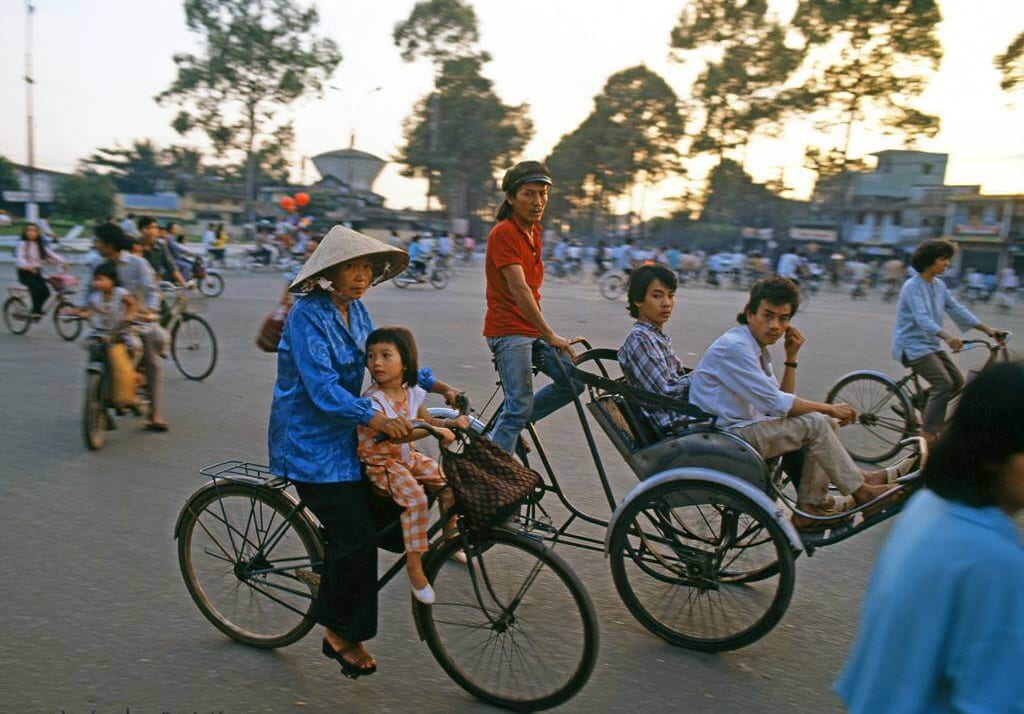
Based on what is happening, one could now argue Vietnam is no longer a purely communist country. Having said that, Vietnamese people do have freedoms in a number of ways including the free market system mentioned above. Vietnamese citizens are now able to start their own businesses as well as purchase goods from other privately owned businesses instead of going through a state-owned company as last time. The number of internet users also rises significantly to 49 million in 2016, which is 52% of its population.
Even though it sounds odd with only one political party, non-party members and non-partisans are allowed to participate in local elections and could possibly gain a seat in the National Assembly. In the 2011 election, out of the 500 seats available in the Parliament, 42 seats were won by independents and non-communist party members, as opposed to the 2007 election where there were only 493 seats available and 100% of those, were won by the Communist Party candidates.
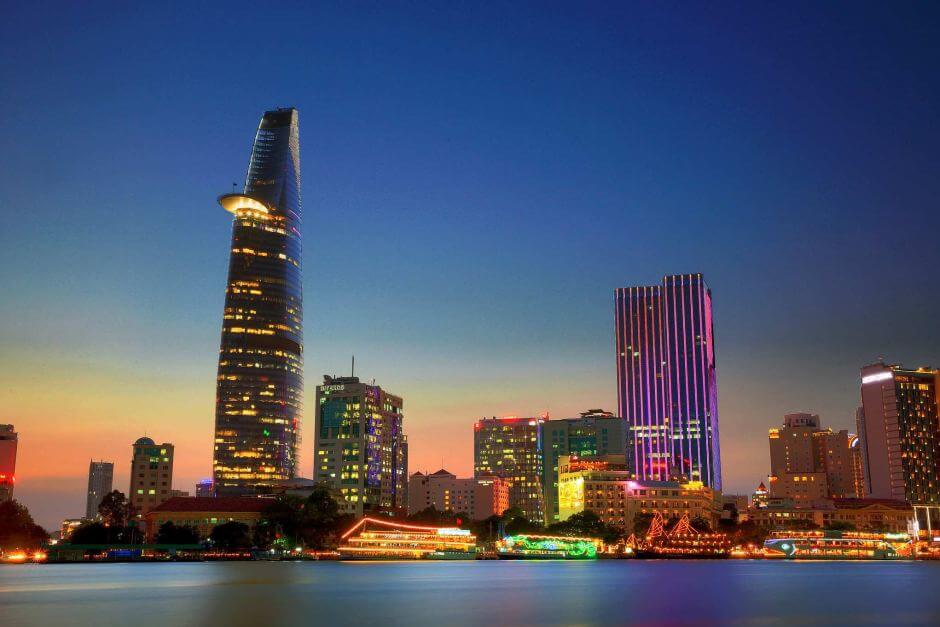
Nowadays, Vietnam is becoming a beautiful and developing country day by day
After all, the ruling communist party shows little willingness to give up its monopoly on political power. Its central role over all organs of government remains unchallenged and there is little sign that real democracy is coming to Vietnam anytime soon.
What Does “Communist Vietnam” Look Like for Travelers in 2026?
Honestly? It barely registers day-to-day. Here’s what you’ll actually encounter:
A functioning market economy. Private businesses dominate retail, hospitality, food, and transport. Grab operates freely. Airbnb listings exist by the thousands. Street vendors negotiate prices with tourists with zero ideological interference. The CPV sets macro policy; the market handles the rest.
No hostility toward Western visitors. This surprises many first-time visitors, particularly Americans. Despite the war, Vietnam has one of the most pro-American populations in Asia according to consistent polling data. The Vietnamese government made a deliberate decision decades ago to normalize and move forward — and so did the Vietnamese people. American, European, Australian, and South Korean tourists are welcomed enthusiastically throughout the country.
Religion is practiced openly. Buddhism, Catholicism, Cao Dai, and other faiths operate publicly across Vietnam. Temples, pagodas, and churches are active and well-attended. Religious tourism — Hội An’s ancient temples, Huế’s imperial pagodas, the Marian shrine at La Vang — is a significant part of the country’s appeal.
Travel is completely unrestricted for foreigners. You don’t need government escorts, approved itineraries, or special permits to travel around Vietnam. You book your own hotels, arrange your own transport, and go where you want. This is a fundamentally different model from North Korea, where foreign visitors are subject to tight government control at every step.
Do You Need a Visa to Visit Vietnam?
Yes — for most nationalities. Vietnam’s communist government runs an efficient, fully online e-visa system that processes applications in approximately 3 business days. The 90-day e-visa costs USD $25 and is available to citizens of over 190 countries.
For travelers based in or transiting through Pyongyang, the application process is the same as anywhere else in the world — fully online, no embassy visit required. Citizens of certain nationalities — including South Korea, Japan, Russia, and most of Europe — are exempt from the Vietnam e-visa requirement and can enter for up to 45 days with just a valid passport.
If you need your visa urgently — within 2–4 hours — the Super Urgent service is available through VisaOnlineVietnam for emergency processing.
💡 Expert Insight from Stanley Ho: “Over my 23+ years handling travel logistics and Vietnam visa services, the most frequent disruption occurs at the check-in desk due to simple application formatting errors. If you are stuck at the airport and denied boarding, don’t panic — our emergency team can secure a new E-visa clearance through priority channels within hours, saving your flight.”
VIP Fast-Track: Arriving in Vietnam Smoothly
At Vietnam’s busiest airports — Tan Son Nhat (SGN) in Ho Chi Minh City and Noi Bai (HAN) in Hanoi — peak-season immigration queues can stretch to 90 minutes. The VIP Fast-Track airport service provides a dedicated ground assistant who meets you at the aircraft door, escorts you through immigration via priority lanes, and handles baggage coordination. Available at SGN, HAN, and Da Nang (DAD).
Frequently Asked Questions
Is Vietnam a safe country to visit in 2026? Yes — consistently ranked among the safest countries in Southeast Asia for foreign travelers. Violent crime against tourists is rare. Petty theft exists in busy tourist areas, as in any major destination, but the overall safety environment is excellent. Millions of solo travelers, including women traveling alone, visit Vietnam without incident every year.
Can Americans visit Vietnam freely? Absolutely. The United States and Vietnam normalized diplomatic relations in 1995, and American tourists have been visiting in large numbers ever since. American passport holders need a Vietnam e-visa (not exempt from visa requirements), which is easily obtained online. The reception Americans receive from Vietnamese locals is almost universally warm.
Does Vietnam’s communist government restrict tourism? No. Vietnam actively promotes international tourism as an economic priority. The government has invested heavily in tourism infrastructure, expanded the e-visa program to over 190 nationalities, and set a target of 25 million international arrivals for 2026. There are no government-mandated tour requirements, approved itinerary rules, or escort obligations for foreign tourists — unlike in North Korea.
Is Vietnam safe for LGBTQ+ travelers? Vietnam is generally considered one of the more tolerant countries in Southeast Asia on LGBTQ+ issues. Same-sex relationships are not criminalized. Major cities like Ho Chi Minh City and Hanoi have visible LGBTQ+ communities and venues. Public displays of affection should be approached with cultural sensitivity, as in most Asian destinations, but targeted harassment of LGBTQ+ travelers is uncommon.
What’s the best way to get a Vietnam visa? Apply online for the 90-day e-visa at VisaOnlineVietnam. Standard processing takes around 3 business days; urgent options are available for faster turnaround.

Comments are closed.